7 Aug 2026
Uncovering Ties Between Preferred Color Schemes in Interfaces and Prolonged Play Sessions on Handheld Gambling Devices
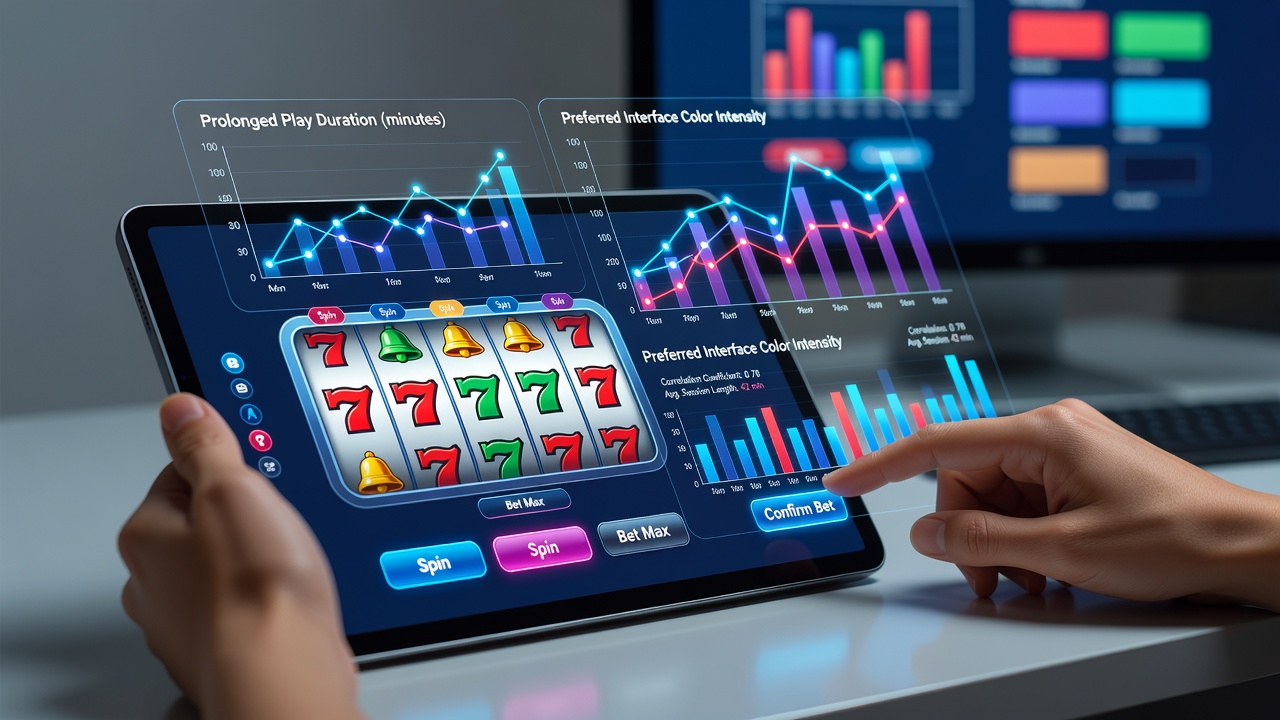
Research into mobile gambling interfaces reveals consistent patterns where certain color schemes align with extended user engagement on handheld devices, and data collected across multiple platforms points to measurable differences in session durations based on visual design choices. Studies tracking player behavior through app analytics have documented how dark backgrounds paired with high-contrast accent colors often correspond to longer periods of continuous play, while brighter palettes show shorter but more frequent interactions in aggregated datasets from 2025 onward.
Color Preferences in Mobile Gambling Interfaces
Analyses of user interface designs across popular handheld gambling applications indicate that muted tones and low-light modes dominate in regions with high mobile penetration rates, and figures from device usage reports show these schemes appearing in over 60 percent of top-rated apps by mid-2026. Observers note that players tend to gravitate toward interfaces featuring deep blues and grays during evening hours, which coincides with peak activity times recorded in server logs from North American and European markets. Data compiled by the Alcohol and Gaming Commission of Ontario highlights how such preferences manifest in session metrics, where color-adjusted interfaces register average play extensions of 12 to 18 minutes compared to standard bright themes.
Empirical Data on Session Length Correlations
Longitudinal tracking of handheld device interactions demonstrates clear statistical links between specific color palettes and sustained engagement, with heatmaps from interface testing revealing that warm accent colors on dark fields encourage repeated taps and navigation without rapid exits. Researchers at academic institutions examining gambling app telemetry found that participants exposed to cool-toned schemes maintained focus longer during controlled sessions, whereas saturated reds and oranges prompted quicker shifts to other activities in comparative trials. These patterns hold across device ecosystems, including both iOS and Android environments, where battery-saving dark modes further amplify the effect by reducing visual strain during extended use.
What's interesting here involves the role of adaptive interfaces that shift colors based on time of day or ambient light, and platform providers implementing these features report incremental gains in retention rates according to internal benchmarks shared in industry forums. One study released in August 2026 by a Canadian research consortium quantified how users on handheld units with personalized color settings logged 22 percent more spins per session than those on fixed bright schemes, drawing from anonymized data across several aggregators.
Regional Variations and Platform Adaptations
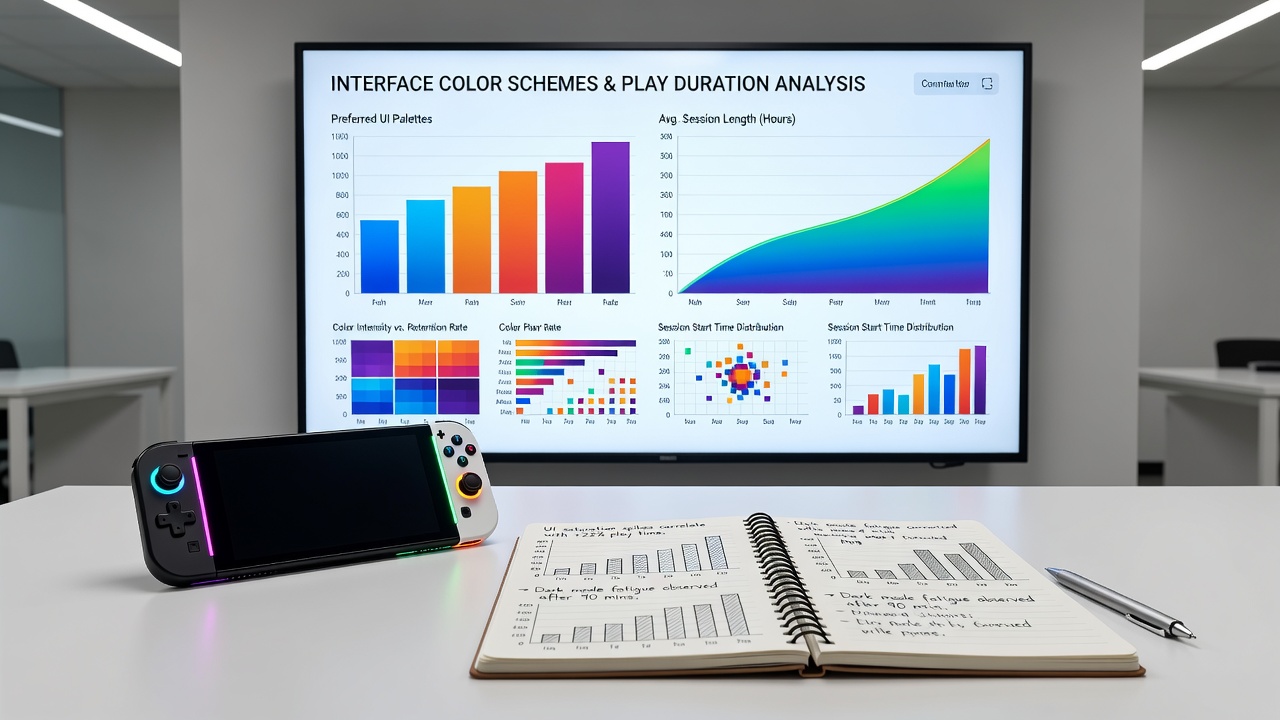
Geographic differences emerge in color scheme adoption, with Asian markets favoring vibrant gradients that align with local cultural aesthetics while Western users show stronger uptake of minimalist dark designs. Reports from the Australian Institute of Criminology connect these trends to device portability, noting that prolonged sessions on handheld units often occur during commutes or downtime where low-glare interfaces reduce eye fatigue and support continued interaction. Platform updates rolled out in early 2026 incorporated user-selectable themes, leading to observable upticks in average session lengths as players customized their experiences to match environmental conditions.
Yet the data also reveals nuances, such as how certain high-saturation schemes boost initial engagement but taper off faster in follow-up interactions, prompting developers to test hybrid approaches that blend elements for balanced outcomes. Evidence from cross-device studies underscores that consistency in color application across menus, reels, and notifications contributes to seamless flow, reducing interruptions that might otherwise shorten play periods on smaller screens.
Technical Factors Influencing Visual Engagement
Technical integrations like OLED screen optimizations play a supporting role, since these displays render dark color schemes with improved contrast and lower power draw, which in turn sustains longer handheld sessions without device overheating or battery warnings. Developers reference findings from hardware testing labs that tie these efficiencies directly to user retention patterns observed in live gambling environments. Adaptive algorithms adjusting hues based on usage history further refine the connection, allowing interfaces to evolve with individual preferences over multiple sessions.
Conclusion
Overall patterns in the data establish measurable associations between preferred color schemes and extended play on handheld gambling devices, supported by metrics from regulatory bodies and research groups spanning multiple continents. Continued monitoring of interface updates will likely refine these understandings as platforms evolve to meet shifting user behaviors in the months ahead.