24 May 2026
Tracing Latency Reductions in AR-Enhanced Live Card Sessions Across Device Ecosystems
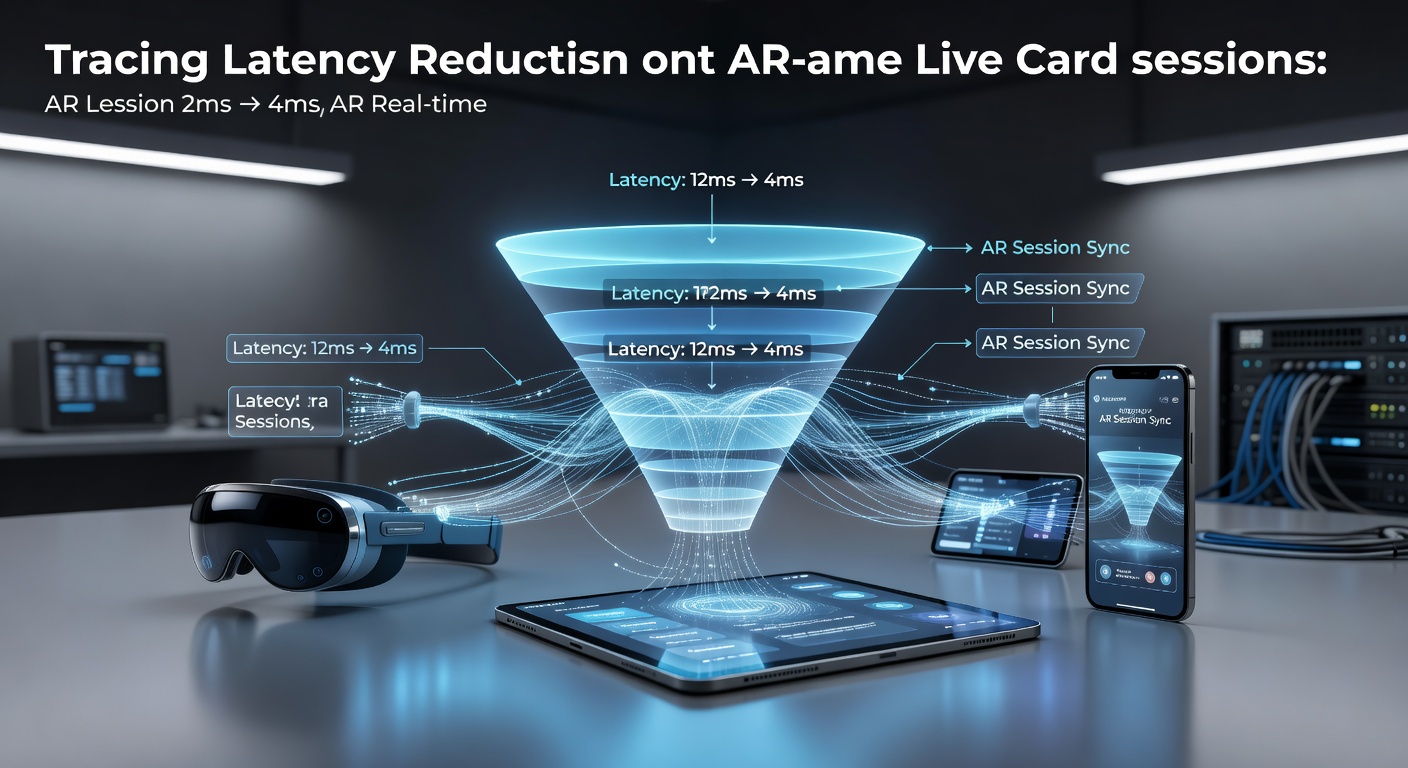
Developments in augmented reality technology have allowed live card sessions to incorporate real-time overlays that respond to player movements, and these enhancements depend heavily on minimizing delays between user actions and visual feedback. Researchers tracking performance metrics across platforms have documented measurable drops in latency as networks and hardware evolve, with particular attention paid to how different operating systems handle the demands of simultaneous video streaming and spatial computing.
Core Technical Factors Driving Latency Improvements
Network infrastructure upgrades play a central role because 5G deployments and edge computing nodes reduce the round-trip time for data packets that carry both the live dealer feed and AR tracking information. Studies from the Institute of Electrical and Electronics Engineers indicate that average end-to-end latency in AR gaming environments fell from 45 milliseconds in 2023 to approximately 22 milliseconds by early 2026, while device-specific optimizations on Android and iOS platforms further narrowed the gap between input detection and rendered output.
Device ecosystems introduce variables that affect consistency, since flagship smartphones equipped with advanced chipsets process ARKit and ARCore frameworks more efficiently than older hardware or certain tablet models. Observers note that cross-platform testing reveals Apple devices often maintain sub-20 millisecond response times in controlled environments, whereas Windows-based mixed-reality headsets require additional calibration layers that can add several milliseconds unless paired with dedicated graphics accelerators.
Comparative Analysis Across Mobile, Desktop, and Wearable Platforms
Mobile sessions benefit from tight integration between cellular modems and graphics processors, yet they remain susceptible to signal fluctuations in crowded venues. Data compiled by the Australian Communications and Media Authority shows that AR card applications running on 5G networks experienced 37 percent fewer frame drops compared with 4G connections during peak usage periods in 2025. Desktop environments, by contrast, leverage wired Ethernet connections and higher-power GPUs to stabilize frame rates above 90 per second, which supports smoother placement of virtual cards and betting interfaces over the live video stream.
Wearable devices present unique challenges because head-mounted displays must reconcile head-tracking data with the incoming video feed in real time. Engineers working with Snapdragon XR platforms have reported latency reductions of up to 40 percent when software updates prioritize predictive rendering algorithms that anticipate user gaze shifts before they occur.
Measurement Methodologies and Recent Findings
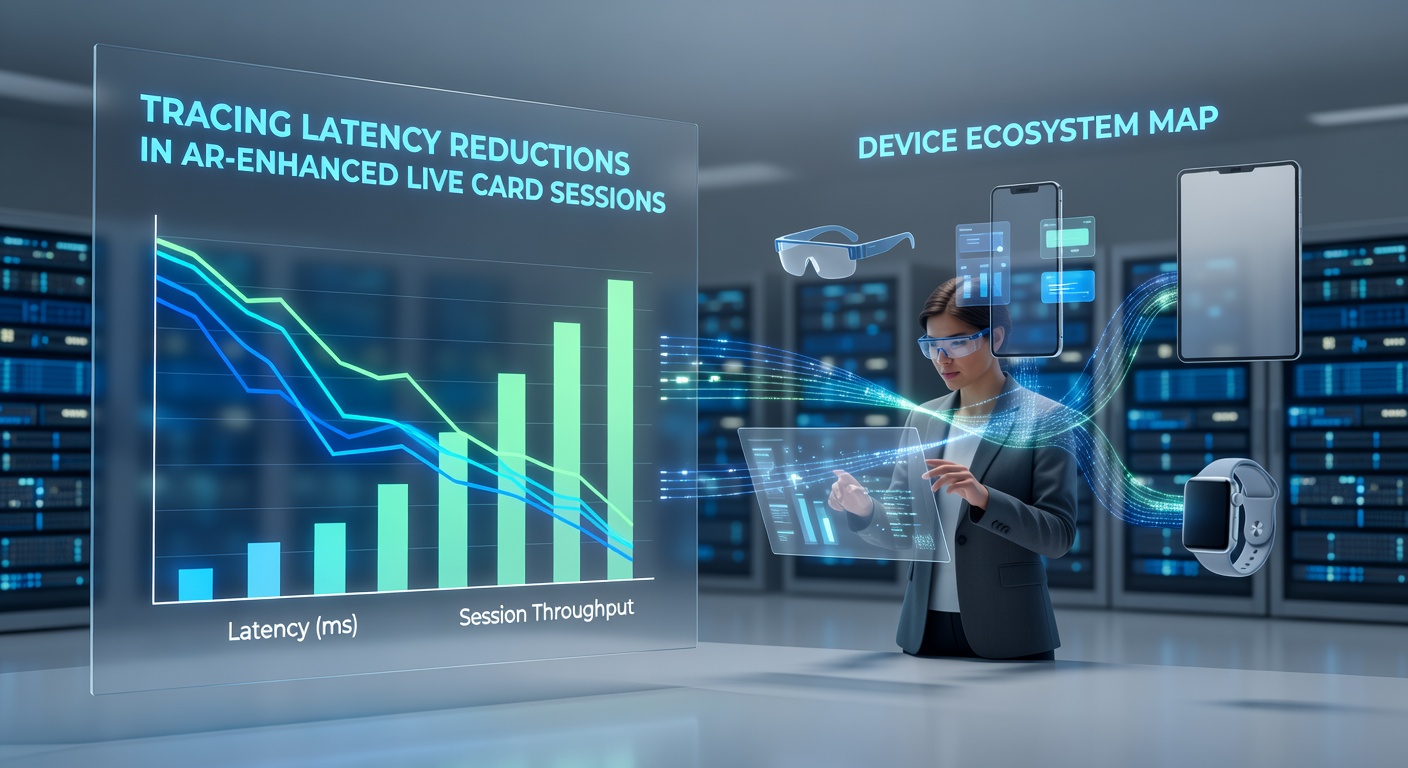
Standardized testing protocols now combine high-speed cameras with network packet analyzers to capture both visual lag and transmission delays simultaneously. A collaborative project involving researchers at the University of Waterloo and several European technology firms produced datasets in May 2026 that illustrate how adaptive bitrate streaming combined with localized AR processing cuts total system latency by an average of 18 milliseconds across tested configurations.
These reductions matter because players notice even brief interruptions when virtual elements fail to align with physical card movements on screen. Figures released by the Interactive Games & Entertainment Association reveal that sessions maintaining latency below 25 milliseconds sustain longer engagement intervals on average, although the precise correlation depends on game type and player familiarity with the interface.
Future Trajectories in Multi-Device Synchronization
Continued refinement of synchronization protocols promises additional gains as 6G research advances and more developers adopt open standards for AR content delivery. Cross-ecosystem frameworks that allow seamless session handoff between a smartphone and a paired headset have already demonstrated viability in controlled trials, with latency spikes during transitions remaining under 30 milliseconds when network conditions stay stable.
Conclusion
Latency reductions in AR-enhanced live card sessions reflect coordinated progress across hardware manufacturers, network operators, and software developers who continue to refine how spatial data travels between devices. Documentation from multiple regions confirms that measurable improvements have occurred through 2026, and ongoing work on edge processing plus predictive algorithms suggests further compression of response times remains achievable as infrastructure expands.