22 Jul 2026
Tracing How Biometric Authentication Protocols Reshape No-Deposit Reward Verification Flows Across Multi-Jurisdictional Mobile Networks
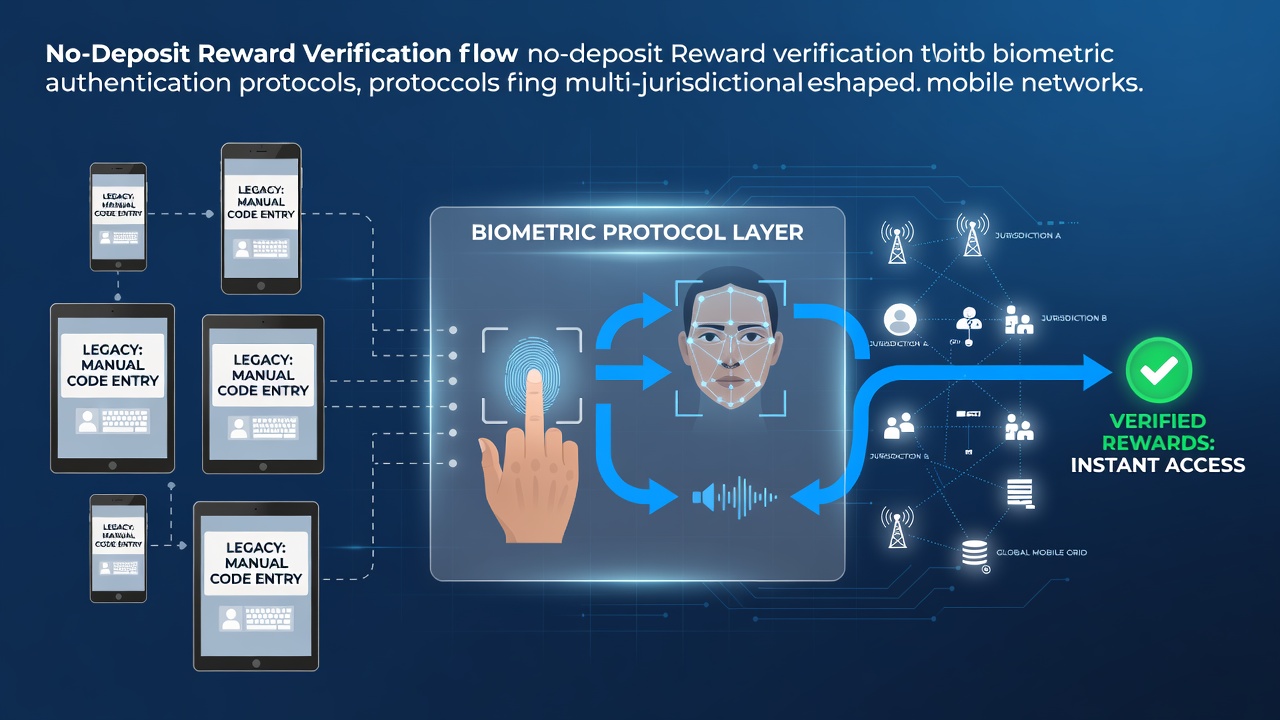
Biometric authentication protocols have integrated into mobile gaming platforms over recent years, altering the steps required for players to access no-deposit rewards in systems that span multiple regulatory zones. These protocols rely on fingerprints, facial scans, and voice patterns to confirm identities, replacing or supplementing traditional password and SMS methods in verification sequences. Mobile networks process these checks through device sensors and encrypted data streams that connect to operator servers, while jurisdictional rules dictate how quickly and under what conditions rewards activate.
Protocol Integration in Mobile Verification Sequences
Operators embed biometric checks at the initial reward claim stage, where a player opens an app and triggers a scan before the system releases bonus funds or spins. Data from device hardware moves through secure channels to backend systems that match templates against stored records, and this flow reduces the number of manual inputs needed across networks operating in places like New Jersey, Singapore, and parts of the European Union. Research indicates that such matching happens in under two seconds on most 5G connections, allowing reward ledgers to update without additional documentation uploads.
Multi-jurisdictional operators maintain separate compliance layers for each region, so a facial recognition match approved under one set of rules may require a secondary fingerprint step in another. Network latency varies by carrier, yet biometric packets remain small enough to travel efficiently even when crossing borders between licensed markets. Figures from industry reports show adoption rates climbing steadily through 2025, with further implementations noted in July 2026 as new device models standardize sensor access.
Jurisdictional Differences in Data Handling
Regulatory frameworks in different areas set distinct thresholds for biometric data retention and consent, which directly influences how verification completes before rewards issue. In some U.S. states, operators must delete raw scan data within hours of confirmation, while other regions permit longer storage under anonymized formats. These variations force platforms to route verification requests through region-specific servers, adding routing logic that checks the user's declared location against network signals.
Cross-border players encounter additional handoffs when moving between networks, and biometric templates travel encrypted to avoid exposure during these transfers. Observers note that synchronization between mobile carriers and gaming operators has improved since 2024, cutting the average verification time by measurable margins in tested corridors. Data shows that reward claim success rates rise when protocols align with local privacy statutes rather than applying uniform global templates.
Effects on Reward Distribution Timelines
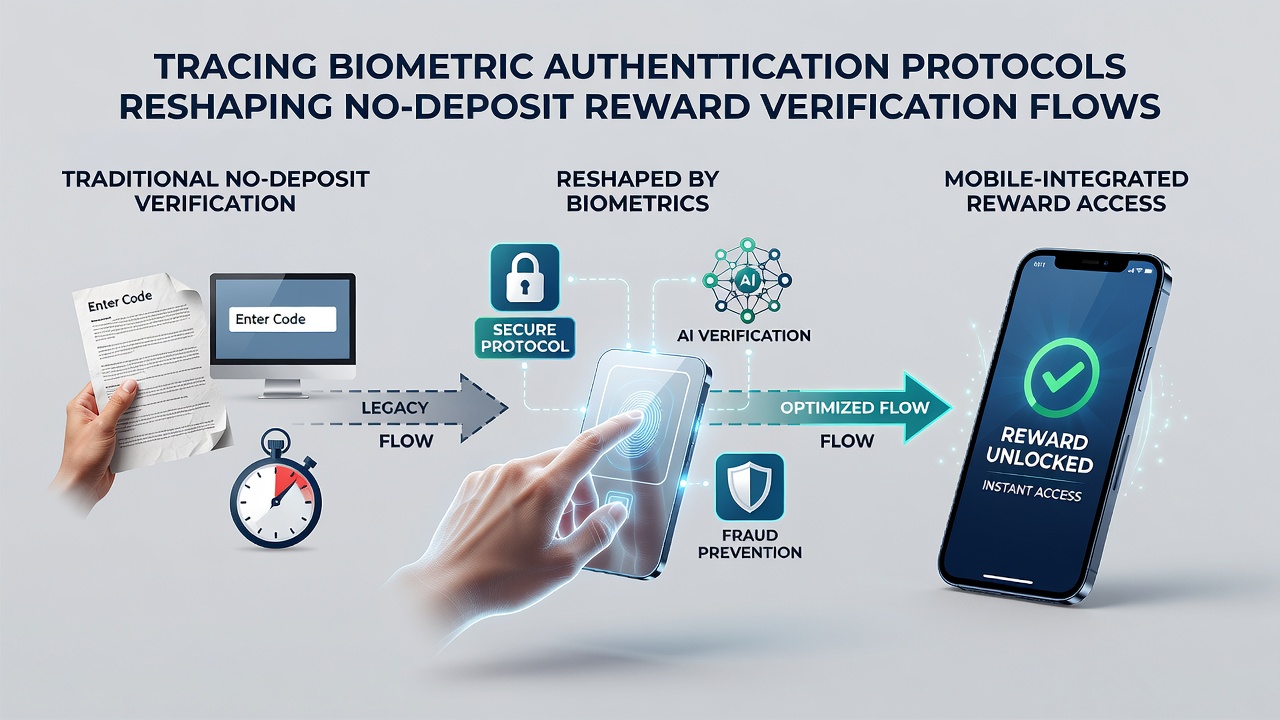
Once a biometric match clears, the system releases no-deposit credits or free spins without further account review cycles in many cases. This shortening of the verification pipeline appears in platform logs from operators active in multiple markets, where average claim-to-credit intervals dropped from minutes to seconds. Network congestion during peak hours still affects some regions, yet biometric checks consume less bandwidth than document uploads, keeping flows stable.
Device ecosystems play a role as well, since newer operating systems grant apps direct sensor access that older versions restricted. Players using compatible hardware complete the process faster, and operators track these differences to adjust server allocation across jurisdictions. Studies from academic sources highlight that template matching accuracy exceeds 99 percent in controlled tests, supporting consistent reward delivery even when users switch devices mid-session.
Network and Security Considerations
Mobile carriers supply the backbone for these encrypted transmissions, and partnerships with gaming firms ensure priority routing for verification packets. Security protocols wrap biometric data in layers that comply with varying encryption standards required by different authorities, preventing mismatches that could block reward activation. In July 2026, several networks rolled out enhanced 5G slicing features that isolate gaming traffic, further stabilizing the verification sequence.
Researchers at institutions tracking digital identity systems have documented fewer account recovery incidents after biometric rollout, because lost passwords no longer interrupt access. Yet residual challenges remain when users cross into areas with stricter data localization rules, prompting operators to maintain duplicate verification nodes. Evidence from trade group analyses points to steady growth in cross-network compatibility testing throughout 2025 and into the following year.
Conclusion
Biometric authentication continues to modify the steps operators follow when confirming eligibility for no-deposit rewards on mobile platforms that serve multiple regulatory environments. The combination of device-level scans, regional compliance routing, and efficient network handling produces shorter verification windows while meeting diverse legal requirements. Continued updates to both hardware standards and carrier capabilities are expected to refine these flows further as adoption widens.