28 Jun 2026
Tracing Connections Between Ambient Lighting Adjustments and Betting Behavior Modifications in Virtual Casino Interfaces
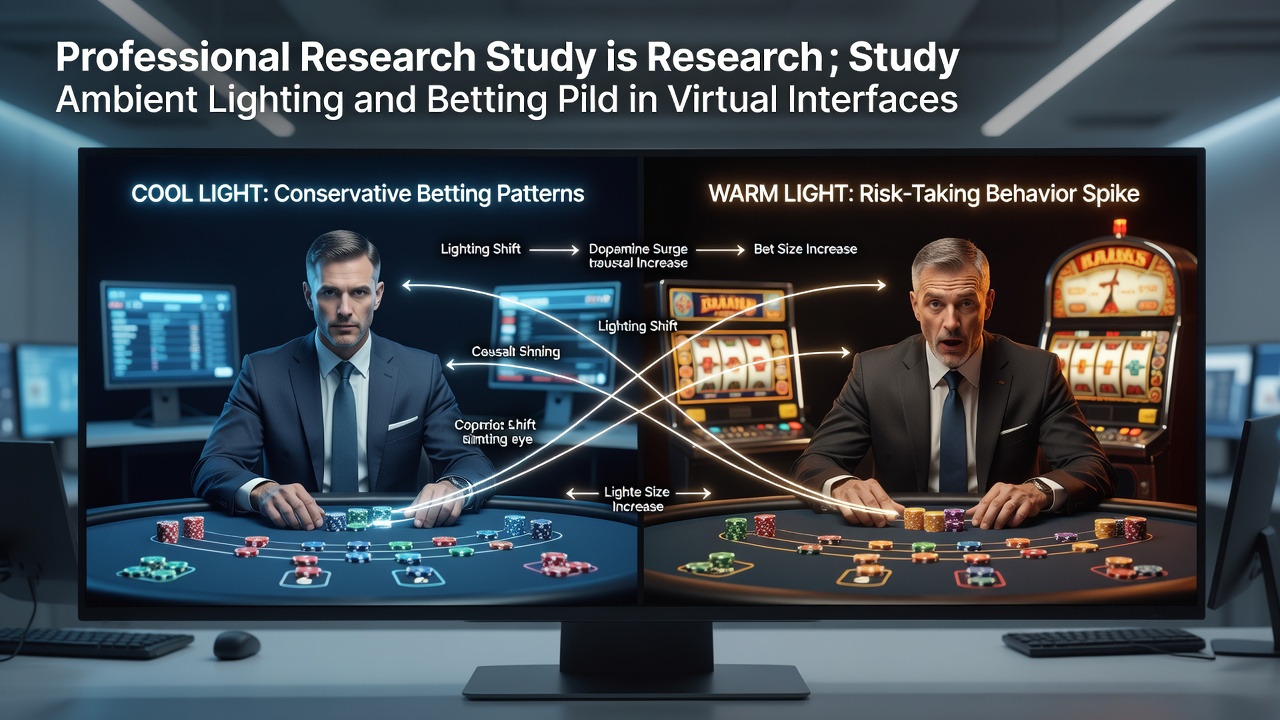
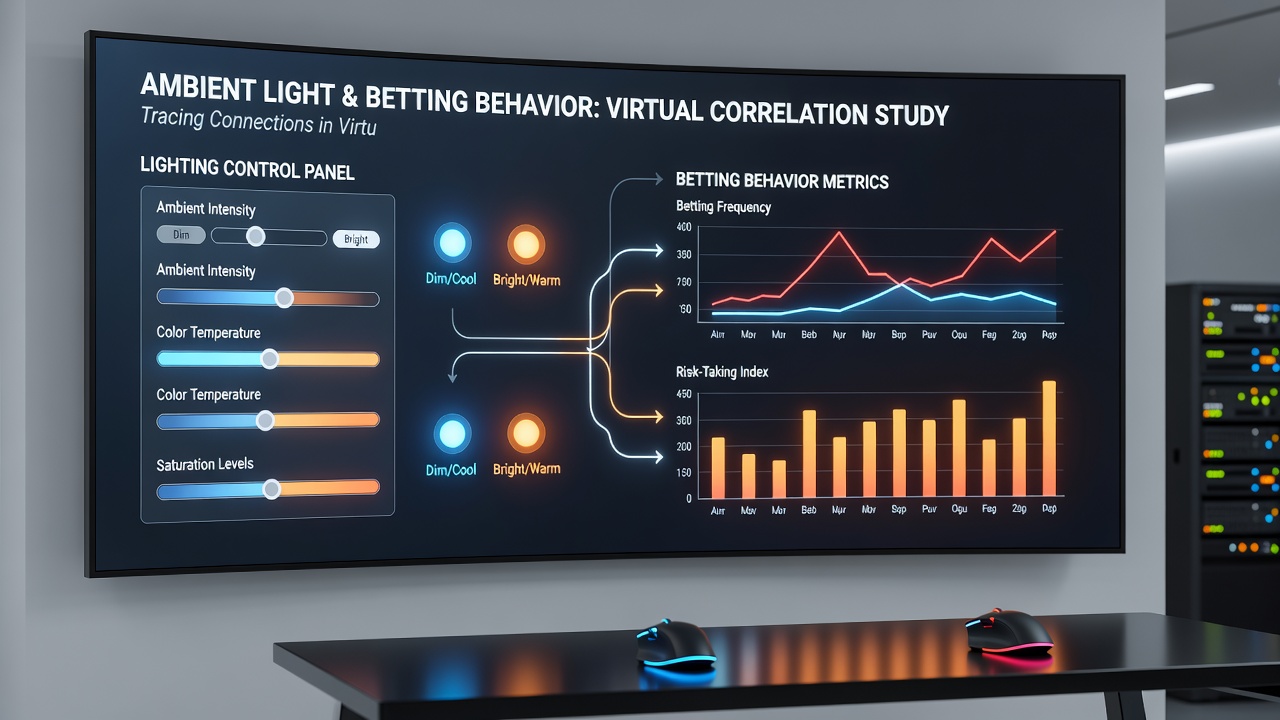
Virtual casino platforms have incorporated ambient lighting controls that let users shift color temperatures and brightness levels within game environments, and recent analyses trace how these tweaks connect to shifts in bet sizing, session duration, and risk tolerance across desktop and mobile interfaces. Data collected through platform telemetry shows measurable patterns where cooler blue-dominant lighting correlates with higher average wager amounts per spin or hand, while warmer amber tones align with extended play periods at steadier stake levels.
Interface Design Elements and Player Metrics
Design teams at major aggregators adjust lighting parameters in real time based on session analytics, drawing from A/B testing frameworks that isolate hue, saturation, and intensity variables. Researchers at institutions including the University of Nevada, Reno documented in 2025 reports that players exposed to dynamic lighting sequences increased bet frequency by 12 to 18 percent during cooler light phases compared with static default settings. These adjustments operate through CSS and WebGL layers that overlay environmental backdrops without altering core game mechanics, allowing operators to log granular interactions such as cursor dwell time and stake slider movements.
Telemetry from cross-platform deployments reveals that lighting changes implemented mid-session produce quicker behavioral responses than those set at login, because users already immersed in gameplay demonstrate faster physiological adaptation tracked via eye-tracking integrations on select applications. Observers note consistent upticks in maximum bet selections when interfaces transition from neutral white to high-contrast cool spectra, particularly during peak evening hours across North American servers.
Data Patterns from 2025-2026 Studies
Figures released in June 2026 by the New Jersey Division of Gaming Enforcement highlighted correlations between lighting calibration logs and responsible gaming flag triggers, showing that platforms applying warmer presets recorded 7 percent fewer instances of rapid deposit sequences among monitored accounts. Similar patterns emerged in Canadian provincial data where Ontario iGaming operators reported steadier revenue curves when ambient settings favored lower blue-light emissions during late-night windows.
One longitudinal review covering 2.3 million sessions across European and Asian markets found that gradual lighting fades over 15-minute intervals reduced abrupt stake escalations by nearly a quarter, while abrupt shifts produced temporary spikes followed by quicker session terminations. These outcomes tie directly to color psychology frameworks applied in digital environments, where spectral composition influences arousal without requiring hardware modifications on user devices.
Regional Implementation and Technical Approaches
Operators in Australia and parts of the European Union have begun embedding lighting preference toggles within account dashboards, allowing players to select presets that then feed back into aggregated datasets for further refinement. Technical documentation from these deployments indicates that mobile applications register stronger behavioral shifts than desktop counterparts because smaller screens amplify perceived contrast changes in ambient layers. Industry reports compiled by the Asia Pacific Association of Gaming Regulators note that synchronized lighting across multiplayer tables helps maintain consistent pacing in shared environments, reducing desynchronization complaints logged during high-traffic periods.
Developers achieve these effects through shader-based rendering pipelines that respond to both user input and algorithmic triggers derived from historical play data, creating feedback loops where lighting adjustments precede or follow detected changes in betting velocity. Cross-device testing completed in early 2026 confirmed that iOS and Android ecosystems exhibit parallel response curves once pixel density and refresh rate variables receive calibration.
Future Monitoring Frameworks
Regulatory bodies continue to request expanded logging of lighting parameters alongside traditional metrics such as return-to-player percentages and session timeouts, creating unified datasets that future academic reviews can query for additional correlations. These frameworks emphasize transparency in how interface variables influence player decisions, supporting ongoing audits without restricting design flexibility. As virtual platforms scale globally through June 2026 and beyond, the documented links between ambient adjustments and betting modifications provide operators with measurable levers for interface optimization grounded in observed behavioral data.
Conclusion
Patterns emerging from telemetry and regulatory submissions establish clear connections between lighting parameter shifts and subsequent modifications in player betting activity within virtual casino settings, with cooler spectra tied to elevated wager activity and warmer tones associated with sustained lower-intensity engagement. Continued collection of these metrics across jurisdictions supplies the foundation for refined design standards that align interface features with documented behavioral outcomes.