27 May 2026
Player Migration Patterns Between Desktop and Mobile Interfaces During Major Sporting Events
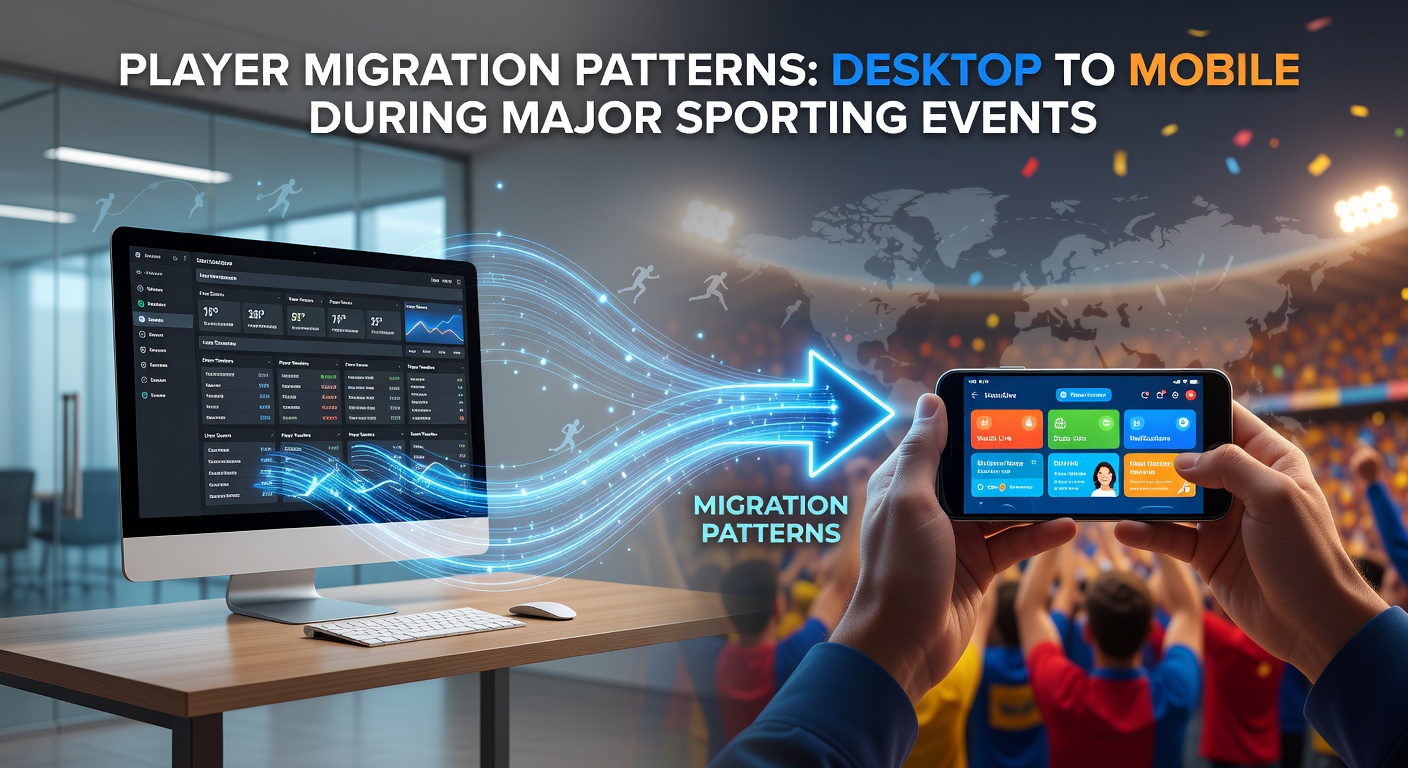
Device switching during major sporting events has become a measurable trend in digital platform usage, with data tracking how audiences move between desktop and mobile interfaces throughout games, matches, and tournaments. Researchers tracking these shifts note consistent patterns tied to event timing, location, and platform features, particularly as events like the 2026 FIFA World Cup approach in May 2026 preparations ramp up across North America.
Observed Shifts in Access Methods
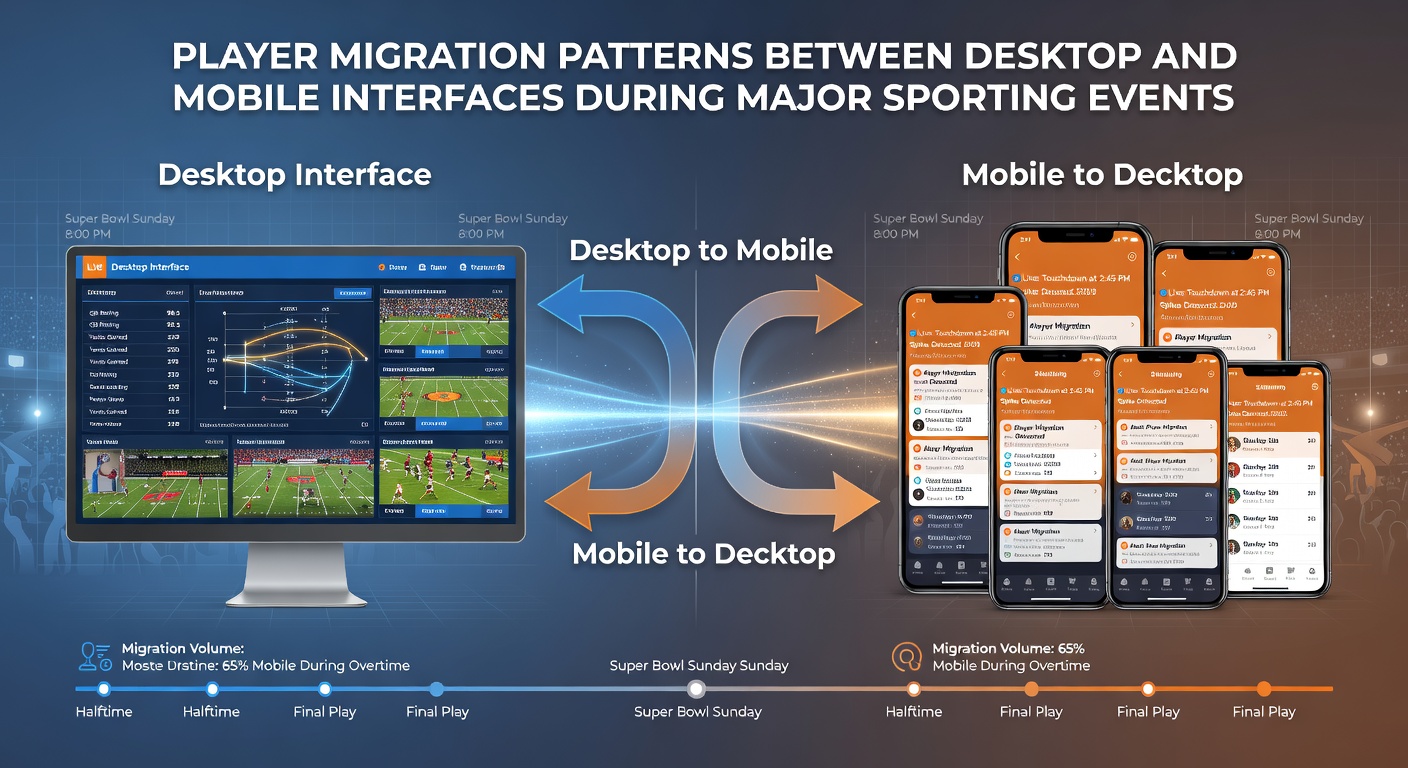
Studies of user behavior during events such as the Super Bowl and UEFA Champions League finals show initial logins often occur on desktop systems at workplaces or home offices, followed by transitions to mobile devices once audiences relocate to viewing parties or commute. Data collected across multiple seasons indicates that mobile interfaces capture a larger share of session time during the second half of matches, while desktop retains strength for pre-event analysis and betting setup phases.
Platform logs from operators reveal that users frequently start sessions on larger screens for detailed statistics and then migrate when real-time alerts prompt quick checks on phones. This movement aligns with peak viewership hours, where mobile traffic spikes coincide with halftime breaks or injury updates that drive immediate engagement.
Factors Driving Interface Changes
Connectivity quality plays a central role in these migrations, since stable Wi-Fi supports desktop sessions yet cellular data enables continued access during travel between locations. Event organizers and streaming providers report that push notifications on mobile apps accelerate teh switch, as users respond to score changes or odds adjustments while away from fixed workstations.
Screen size and input methods also influence choices, with desktop setups favored for multi-tab research on player performance and mobile preferred for one-handed navigation during live action. Analyses from industry reports confirm that battery life and data plan considerations further shape decisions, especially among audiences attending public screenings or stadium environments.
Regional Data and Timing Patterns
Figures from North American markets during NFL playoff games demonstrate a 35 percent average increase in mobile sessions after the opening kickoff, according to aggregated operator metrics shared with regulatory bodies. In European contexts, similar patterns emerge around Premier League matches, where afternoon fixtures see elevated desktop activity that declines as evening social viewing takes over.
Australian authorities tracking digital media consumption during cricket internationals have documented parallel trends, with users moving to mobile during extended overs while retaining desktop for pre-match team selections. These observations come from reports issued by the Australian Communications and Media Authority, which monitors cross-device engagement across major broadcast windows.
Platform Adaptations and User Retention
Operators respond to these patterns by synchronizing accounts across devices, allowing seamless continuation of bets or streams without restarting processes. Features such as cloud-saved preferences and unified notifications reduce friction during switches, maintaining session continuity even when users alternate rapidly between interfaces.
Research from the European Gaming and Betting Association highlights how synchronized login systems correlate with longer overall engagement times during tournaments. Data compiled in their industry reviews shows that platforms offering instant device handoff retain higher percentages of users through extra time and penalty phases compared to those without such capabilities.
During the lead-up to 2026 events, testing in May has focused on reducing latency in mobile transitions, with operators prioritizing app performance for audiences expected at fan zones across host cities. University-led studies on cross-device analytics continue to map these behaviors ahead of the expanded tournament schedule.
Conclusion
Player migration between desktop and mobile interfaces during major sporting events follows predictable rhythms driven by timing, location, and technical factors. Aggregated data from regulatory and industry sources illustrates consistent shifts that platform developers track to refine access methods. As global events approach, these patterns provide measurable benchmarks for understanding audience movement across digital environments.