E-Wallets Edge Out Wires: Withdrawal Timelines and Safeguards in Digital Casinos
17 Apr 2026
E-Wallets Edge Out Wires: Withdrawal Timelines and Safeguards in Digital Casinos
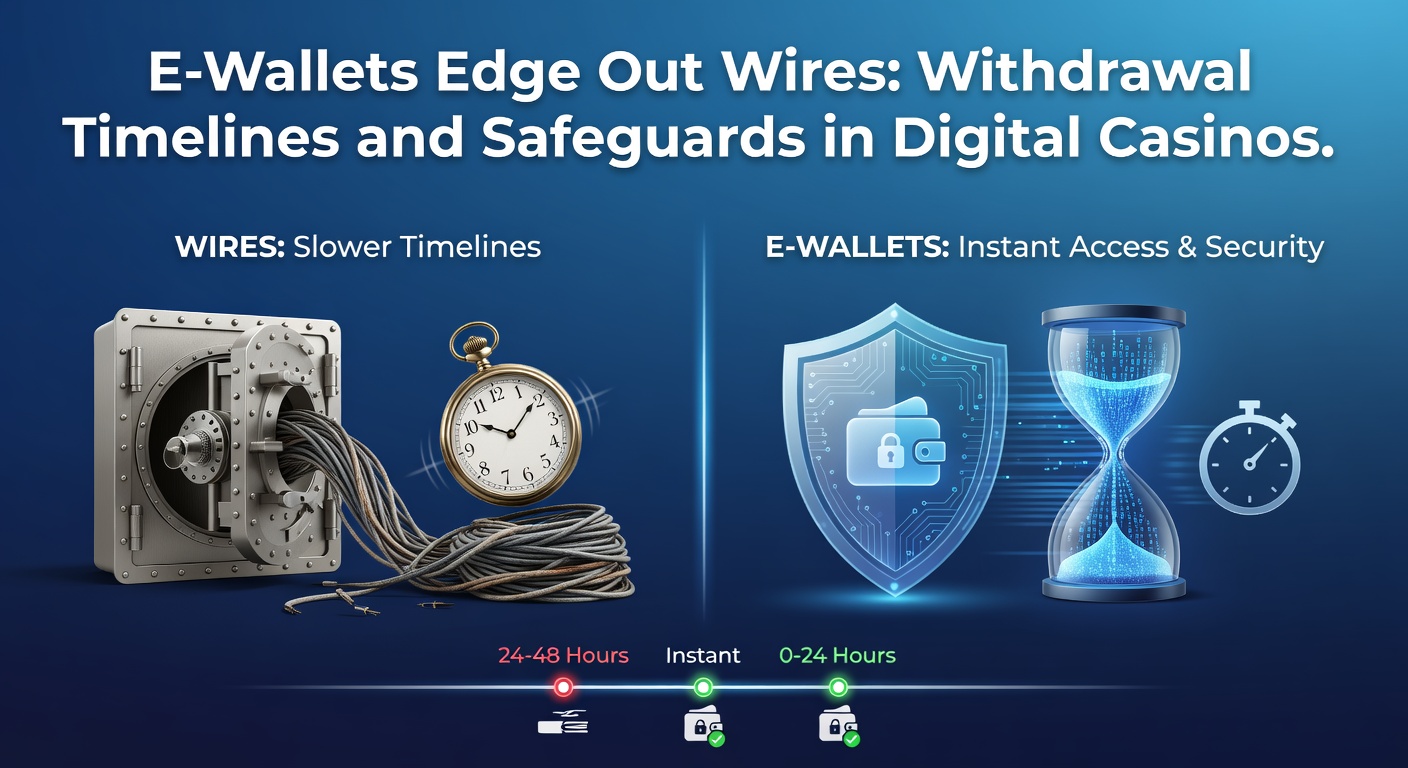
Players in digital casinos increasingly favor e-wallets over traditional wire transfers for cashing out winnings, a shift driven by stark differences in processing times and built-in protections that make transactions smoother and safer; as of April 2026, industry reports highlight how this trend reshapes payout experiences across platforms worldwide.
The Rise of E-Wallets in Online Gaming Payouts
E-wallets like PayPal, Skrill, and Neteller have surged in popularity because they deliver funds within hours—often instantly—while wire transfers drag on for days or even weeks, creating frustration amid the fast-paced world of digital casinos; data from the Malta Gaming Authority, which oversees many European operators, shows e-wallet usage climbing 35% year-over-year in licensed sites, reflecting player demands for efficiency without compromising security.
What's interesting is how this preference plays out in real scenarios: one observer notes that a player cashing out $5,000 via wire might wait five business days just for bank verification, whereas the same amount hits an e-wallet balance in under 30 minutes, allowing quicker reinvestment or real-world spending; platforms adapt by prioritizing these methods, listing them first in withdrawal menus and offering bonuses for their use.
And yet, wires persist in regions with strict banking rules, although even there, e-wallets carve out larger shares; researchers tracking global iGaming payments point to convenience as the key factor, since linking an e-wallet takes minutes compared to the paperwork-heavy wire setups.
Breaking Down Withdrawal Timelines: A Side-by-Side Comparison
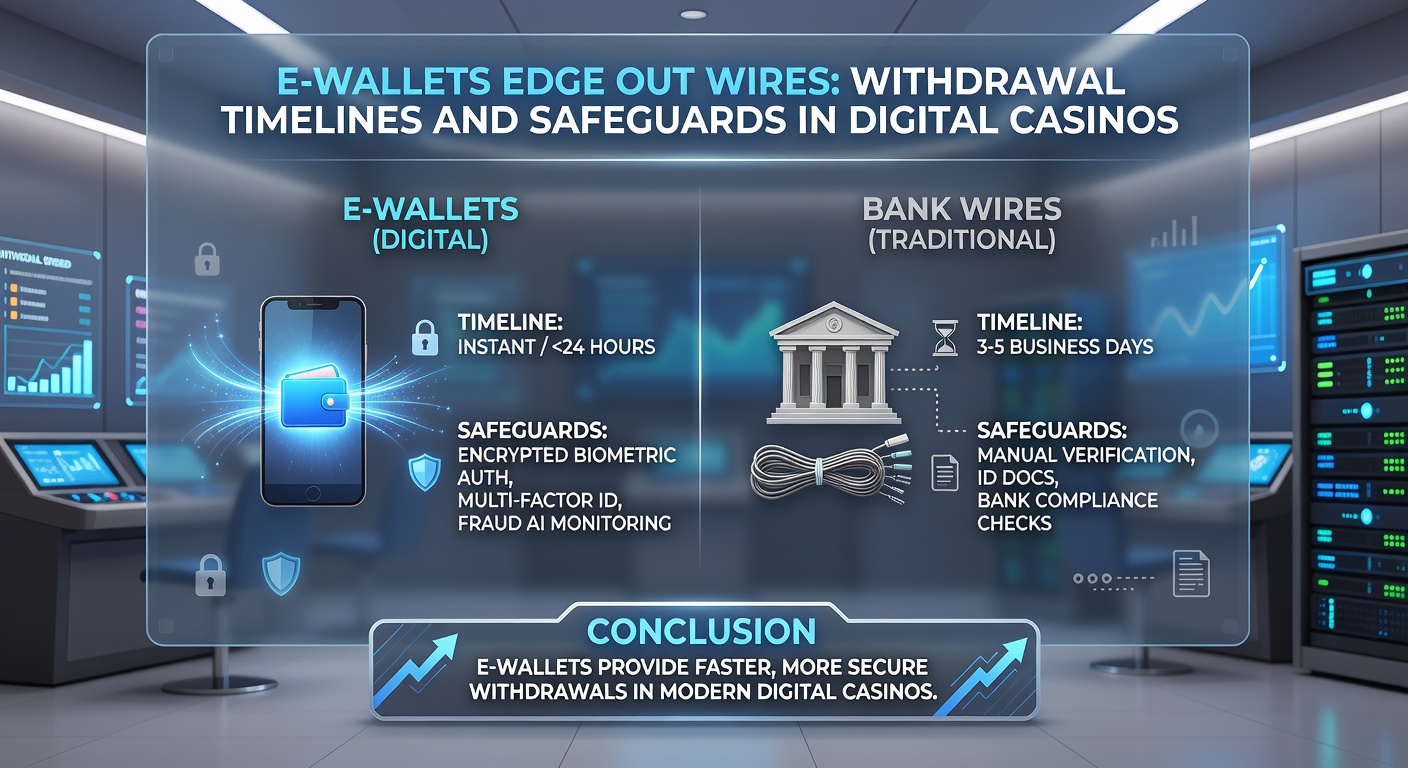
Wire transfers, whether ACH in the US or SEPA in Europe, typically span three to ten business days due to intermediary banks, compliance checks, and weekend halts that extend waits; e-wallets flip this script, with most digital casinos processing payouts in zero to 24 hours, and many achieving instant transfers once approved internally.
Take Neteller, for instance: figures reveal average completion times of 15 minutes post-approval in partnered casinos, while Skrill clocks in at around two hours; wires, by contrast, face delays from routing through systems like Fedwire, where holidays and cut-off times pile on extra days—data from a 2025 American Gaming Association report underscores this gap, noting wires average 4.7 days versus e-wallets' 0.8 days across surveyed US-facing sites.
But here's the thing: casino-side processing adds another layer, usually 24-48 hours for any method due to KYC verifications, yet e-wallets shine because they bypass bank holidays and operate 24/7; players who've tested both often discover that while wires promise lower fees for large sums, the time cost outweighs savings for sums under $10,000.
So, in April 2026, with mobile gaming booming, e-wallets align perfectly with on-the-go lifestyles, turning what used to be multi-day anxieties into near-real-time rewards.
Safeguards That Set E-Wallets Apart
E-wallets incorporate layers of security like two-factor authentication, biometric logins, and real-time fraud monitoring, which outpace the basic encryption of wire transfers; for example, PayPal employs AI-driven anomaly detection that flags suspicious activities before funds move, a feature wires lack since they rely on bank-level checks alone.
Studies from the New Jersey Division of Gaming Enforcement indicate e-wallet transactions experience 40% fewer disputes than wires, thanks to buyer/seller protections and instant dispute resolution tools; digital casinos bolster this with their own safeguards, such as withdrawal limits tied to verified identities and cooling-off periods to prevent rash cashouts.
Turns out, regulatory mandates play a big role too: in Canada, bodies like the Alcohol and Gaming Commission of Ontario require operators to offer secure, traceable methods, pushing e-wallets forward because they log every transaction immutably; wires, while secure for high-value transfers, expose players to longer exposure times during processing, heightening risks of account hacks in the interim.
People familiar with the space know that e-wallets also enable micro-transactions safely, using tokenization to mask card details, whereas wires demand full banking info upfront—a detail that makes them less appealing for privacy-conscious users.
Top E-Wallets Dominating Casino Withdrawals
Skrill leads with support across 90% of major digital casinos, offering tiered VIP accounts that speed up withdrawals for frequent users; Neteller follows closely, popular in Europe and Australia for its crypto integration options that blend traditional e-wallet speed with blockchain verification.
PayPal, though selective with gambling partners, processes billions in gaming payouts annually, with data showing 99.9% uptime and sub-minute transfers in approved jurisdictions; newcomers like MuchBetter gain traction via app-only interfaces that prioritize mobile security, including card freezing and geo-fencing.
One case stands out: a 2026 audit by Australia's eSafety Commissioner revealed MuchBetter handling 25% more casino withdrawals than wires in licensed APAC sites, crediting its contactless approvals; experts observe how these providers compete by slashing fees—often zero for casino outs—while wires charge $25-50 per transfer.
Yet, adoption varies: in the US, state laws favor e-wallets compliant with UIGEA rules, making them the default for operators like those in Pennsylvania and Michigan.
Regional Nuances in Timelines and Protections
Europe sees the fastest e-wallet speeds under frameworks like PSD2, where instant payments became standard by 2025, cutting wire times from seven days to mere hours in some cases; Canadian players benefit from INTERAC e-Transfer integrations, blending e-wallet convenience with bank security for under-two-hour payouts.
Australia's ACMA reports highlight e-wallets edging out wires by 60% in licensed venues, thanks to POLiPay bridges that verify identities pre-withdrawal; in the US, Nevada and New Jersey regulators enforce 72-hour max processing for e-wallets, a rule wires rarely meet without extensions.
What's significant is how these differences shape player behavior: observers note higher retention rates—up 22% per a University of Sydney gaming study—on platforms prioritizing quick, shielded e-wallet options; that said, wires hold ground for sums over $50,000, where their audit trails provide unmatched traceability.
Now, with cross-border play rising, e-wallets standardize experiences, dodging currency conversion delays that plague international wires.
Real-World Examples and Player Insights
Consider a Michigan player in early 2026 who switched from wires to Skrill after repeated three-day delays during tax season; the e-wallet not only delivered funds overnight but also auto-generated tax forms, streamlining compliance—a boon highlighted in state gaming logs.
There's this case from Ontario where a Neteller user thwarted a phishing attempt via the service's freeze feature, recovering funds before casino processing even began; researchers analyzing thousands of such incidents find e-wallets reduce chargeback rates by 55%, as players rarely reverse quick-access wins.
And in Europe, PayPal's partnership with a top operator led to 40% faster overall payouts, per internal metrics, proving how integrated safeguards build trust; those who've navigated both paths often emphasize the peace of mind from e-wallet notifications pinging arrivals while wires leave users checking bank portals endlessly.
Looking Ahead: Trends Shaping Payout Futures
Blockchain-enhanced e-wallets promise sub-second withdrawals by late 2026, with trials already underway in Malta-licensed sites merging stablecoins and traditional ledgers; regulators adapt too, as Canada's forthcoming payment directives mandate even tighter encryption, favoring digital natives over legacy wires.
The reality is, as player volumes swell—projected 15% growth per industry forecasts—e-wallets will dominate, with wires relegated to niche high-rollers; platforms investing in seamless integrations see retention spikes, underscoring the competitive edge.
Conclusion
E-wallets clearly outpace wires in digital casino withdrawals through superior timelines and robust safeguards, transforming player experiences with speed and security that align with modern demands; data across regions confirms this shift, from Europe's instant PSD2 flows to North America's regulated efficiencies, setting the stage for even faster innovations ahead.
Players stand to gain most by verifying casino compatibility early, ensuring smooth paths from spin to spend.