7 Jun 2026
Decoding Tiered Reward Pathways in Aggregated Gaming Portals and Their Ties to Session Length Data
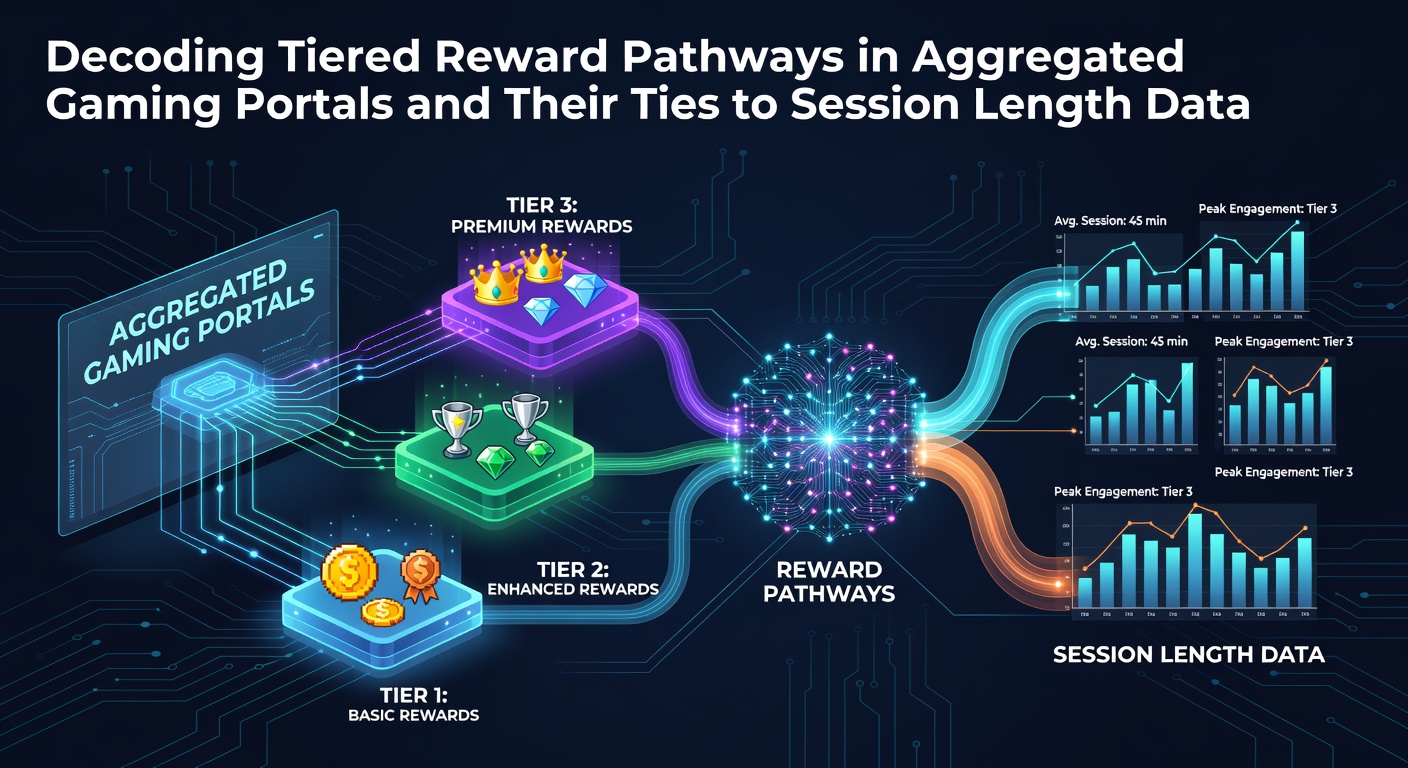
Aggregated gaming portals consolidate offerings from multiple providers into unified interfaces where players encounter layered reward systems designed around progression milestones and engagement metrics, and these structures often incorporate session length data to calibrate incentives across user cohorts. In practice the pathways function through escalating tiers that unlock benefits such as bonus credits, free spins, or cashback percentages once cumulative playtime or deposit thresholds are met, while backend algorithms monitor average session durations to refine eligibility windows and payout frequencies.
Mechanics of Tiered Structures in Multi-Provider Environments
Operators segment rewards into bronze, silver, gold, and platinum levels that correspond to verifiable activity markers including total wagered amounts and consecutive login streaks, yet the integration of session length analytics allows platforms to adjust progression speed based on observed dwell times per visit. Data pipelines collect granular logs from desktop and mobile endpoints, then aggregate these into heat maps that reveal peak engagement intervals, which in turn influence how quickly a user advances between tiers without requiring manual intervention from support teams.
Session Length Metrics and Their Integration
Analytics frameworks record session length as the interval between login and logout events, factoring in idle periods and multi-game switches that occur within a single continuous connection, and platforms correlate these figures with tier advancement rates to identify patterns where shorter bursts of activity trigger different reward triggers than extended sessions. Research indicates that sessions averaging under fifteen minutes frequently align with entry-level tier unlocks, whereas those exceeding forty-five minutes correlate more strongly with mid-tier accelerations when deposit frequency remains constant, according to industry datasets compiled across North American and European networks.
Observed Correlations Across Aggregator Platforms
Patterns emerge when datasets from June 2026 are examined, showing that portals implementing dynamic tier adjustments based on real-time session telemetry experienced measurable shifts in user retention curves compared with static models, and one analysis from the New Jersey Division of Gaming Enforcement highlighted how session length data helped refine reward velocity to match regional player behaviors. Another examination conducted through academic partnerships at the University of Las Vegas Nevada tracked multi-provider environments and noted that players whose average sessions fell into the twenty-to-thirty-minute range demonstrated higher completion rates for silver-to-gold transitions when rewards included time-sensitive multipliers tied directly to dwell metrics.
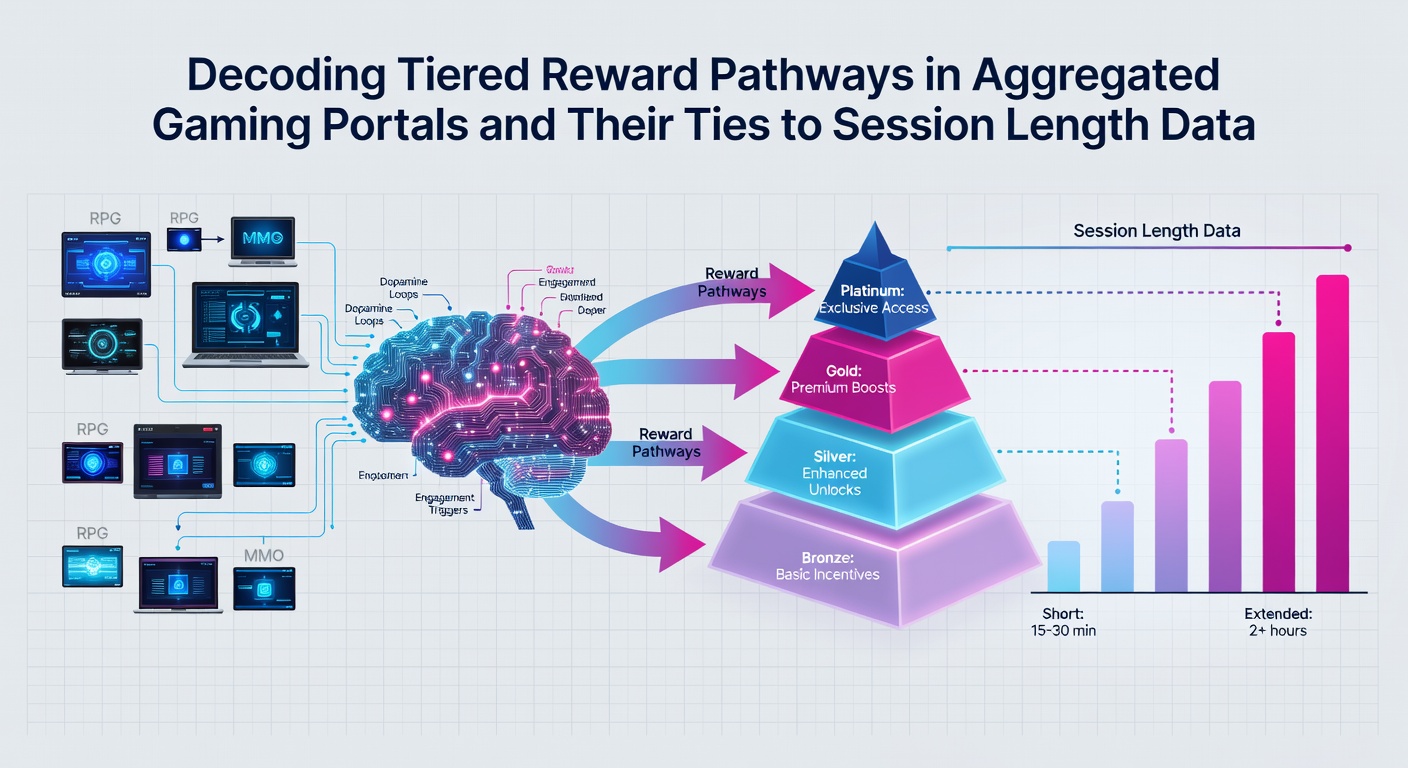
Yet variations appear across device ecosystems, where mobile sessions tend toward shorter durations but higher frequency, prompting aggregators to introduce micro-tier increments that accumulate faster than desktop equivalents, while cross-device synchronization ensures consistent pathway visibility regardless of access point.
Regional Data Influences and Platform Adaptations
Regulatory filings from the Australian Communications and Media Authority reveal that session length distributions in Oceania markets skew toward evening peaks, leading aggregated portals to calibrate reward pathways with time-of-day multipliers that encourage longer continuous play during those windows, and similar adjustments appear in Canadian provincial reports where seasonal factors alter average engagement lengths. Platforms respond by embedding predictive models that forecast tier progression likelihood based on historical session clusters, allowing preemptive offers that sustain momentum before users reach logout thresholds.
Technical Implementation and Data Privacy Considerations
Backend systems employ event-stream processing to ingest session metrics in near real time, then apply machine learning classifiers that segment users into behavioral cohorts before mapping them onto reward ladders, and these classifiers factor variables such as game type switches and wager size volatility alongside raw duration figures. Observers note that compliance frameworks require anonymized aggregation of personal data before tier calculations occur, which preserves pathway functionality while meeting standards set by bodies like the Malta Gaming Authority across Mediterranean-facing operators.
Conclusion
Tiered reward pathways in aggregated gaming portals continue to evolve through tighter coupling with session length datasets, producing feedback loops that adjust incentive delivery according to empirical dwell patterns observed across diverse markets and device types, and ongoing refinements in June 2026 underscore how these integrations shape progression mechanics without altering core regulatory obligations. The interplay between measurable session attributes and tier advancement remains a focal point for platform optimization as new data streams become available from expanding global networks.