5 Jun 2026
Cultural Symbolism in Themed Slot Machines and Its Correlation with Regional Player Preferences
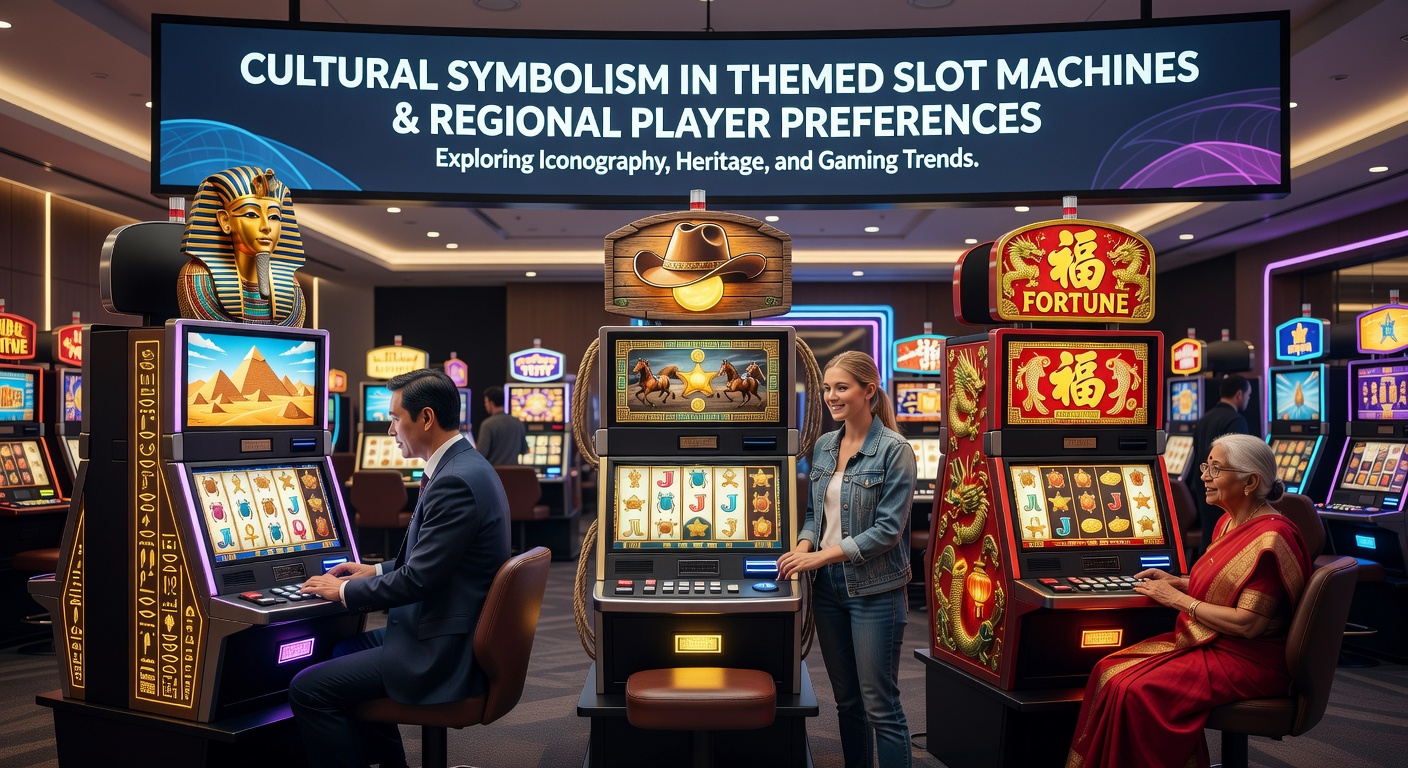
Slot machine themes draw from cultural symbols that resonate with specific player groups, and data from multiple regions shows measurable differences in engagement rates when those symbols align with local traditions. Game developers incorporate elements such as dragons in East Asian markets, desert motifs in Australian venues, and frontier imagery in North American properties because operators track higher session lengths and repeat visits when themes match regional expectations.
Regional Symbol Sets and Design Patterns
Manufacturers adjust iconography based on market research that identifies symbols tied to luck, prosperity, or historical narratives in each territory. In Japan and South Korea, cherry blossoms, koi fish, and temple gates appear frequently on reels, while Canadian and U.S. machines often feature maple leaves, totem poles, or Wild West scenes. European titles incorporate medieval castles, Norse runes, and classical mythology figures at higher rates than other continents. These choices reflect aggregated player data rather than arbitrary creative decisions, and companies release updated cabinets after reviewing play metrics from pilot installations.
Data on Player Engagement by Theme
Reports compiled by regional gaming authorities document correlations between symbol familiarity and participation. Figures released in June 2026 from the Nevada Gaming Control Board indicated that machines with Native American and Southwestern desert themes recorded 18 percent longer average play sessions in Nevada properties compared with generic fruit or gem themes during the preceding quarter. Similar patterns emerged in Singapore, where the Casino Regulatory Authority noted elevated coin-in totals on titles featuring Chinese zodiac animals during the Lunar New Year period. Australian state regulators have tracked comparable spikes when machines display indigenous flora and fauna alongside outback landscapes.
Cross-Border Development and Localization
Developers maintain core game mechanics while swapping visual and audio assets for different jurisdictions. A single base program can receive multiple art packages that swap dragons for eagles or replace temple soundtracks with didgeridoo loops. This modular approach allows operators to test cultural resonance without rebuilding the underlying random number generator or payout structure. Observers note that localization teams consult anthropologists and local historians to avoid misappropriation while still achieving visual recognition among target audiences.
Academic and Industry Research Findings
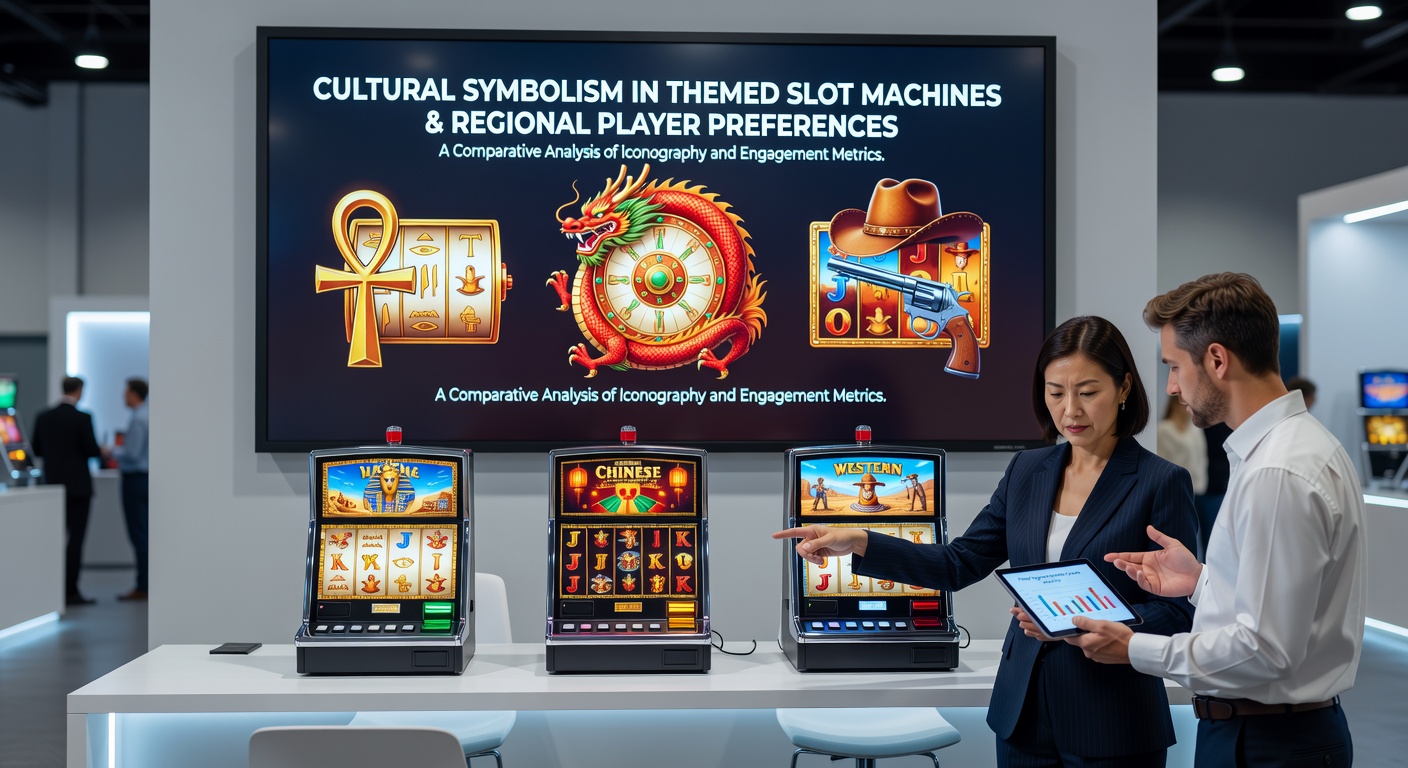
Studies conducted by university gaming research centers have quantified how cultural alignment influences decision-making during play. One project at the University of Nevada examined eye-tracking data and found that players fixated longer on culturally familiar symbols, which correlated with increased bet sizing on subsequent spins. A separate analysis published by the Asia Pacific Association of Gaming Regulators compiled anonymized session logs from multiple jurisdictions and reported that culturally matched themes produced statistically significant lifts in daily active users within the first month of deployment. These findings prompted several operators to expand their theme libraries rather than rely on globally uniform releases.
Regulatory and Market Influences
Gaming commissions in different countries impose varying approval processes for new themes, which indirectly shapes the cultural content that reaches players. Some jurisdictions require documentation that symbols do not promote stereotypes, while others focus primarily on technical compliance and responsible gaming messaging. As a result, the same game may launch with altered artwork across borders even when the mathematics remain identical. Market competition further accelerates this customization because operators seek differentiation through recognizable local iconography that competing venues have not yet adopted.
Conclusion
Available data demonstrates that cultural symbolism in themed slot machines tracks closely with regional player preferences, as evidenced by session duration, coin-in volume, and repeat visit metrics collected by regulatory bodies and academic researchers. Operators continue to refine theme selection through localized testing and modular asset swaps, producing measurable differences in engagement across territories. These patterns reflect documented player behavior rather than speculation, and ongoing reports from multiple regions confirm the relationship between symbol familiarity and participation rates.