17 Jun 2026
Cross-Device Synchronization Hurdles in Blockchain-Tracked Loyalty Point Transfers Between Partnered Gaming Networks During Peak Traffic Spikes
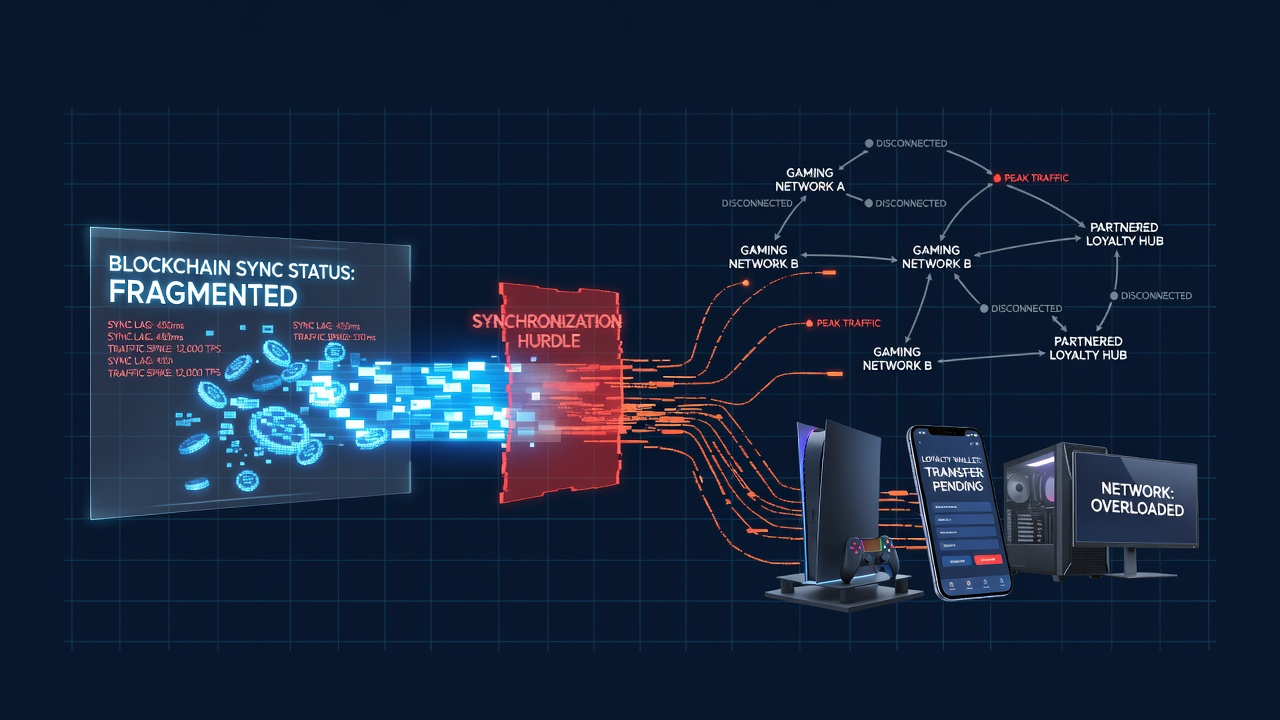
Partnered gaming networks have adopted blockchain systems to track loyalty point transfers across platforms, yet cross-device synchronization continues to present measurable challenges especially when traffic volumes surge. Data from multiple operators indicates that these issues intensify during periods of concentrated player activity, and the combination of distributed ledger confirmation requirements with variable device processing capabilities creates bottlenecks that affect transfer completion rates.
Blockchain Implementation in Loyalty Systems
Operators integrate blockchain ledgers to record loyalty point movements between partnered networks because the technology provides immutable transaction histories and reduces reliance on centralized databases. Each transfer generates a block that requires validation across nodes, and this process introduces latency that varies depending on network congestion. Researchers at institutions tracking gaming technology adoption have noted that average confirmation times range from several seconds under normal loads to multiple minutes when transaction queues expand rapidly.
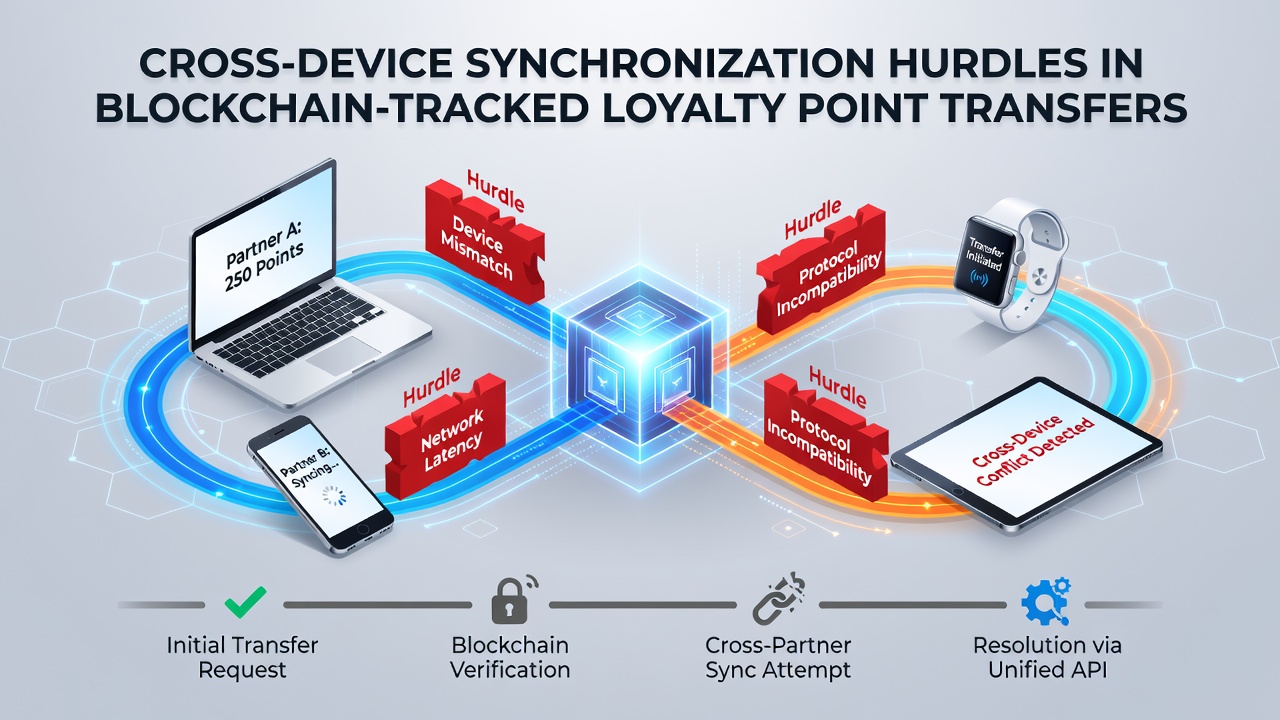
Partnered networks often operate separate blockchain instances that must communicate through bridging protocols, and these bridges add another layer of coordination. When players initiate point transfers from a desktop interface to a mobile application, the system must reconcile ledger states across both environments while maintaining consistency. Studies of similar distributed systems show that mismatches in node synchronization frequently occur when one device processes updates faster than the other.
Device Ecosystem Variations
Gaming platforms support a wide range of hardware including smartphones, tablets, laptops and dedicated terminals, each with distinct processing speeds and network connectivity profiles. Mobile devices frequently encounter intermittent connections that interrupt the handshake required for blockchain verification, whereas desktop systems maintain steadier links but may still queue requests during simultaneous user spikes. Observers tracking these patterns report that synchronization failures increase by measurable percentages when players switch between device types mid-session.
Software versions and operating systems further complicate matters because updates to wallet applications or gaming clients can alter how they interact with ledger protocols. A transfer initiated on one version may reference data structures that another version does not immediately recognize, forcing additional reconciliation steps before teh points appear in the destination account.
Impact of Peak Traffic Periods
Traffic volumes in partnered gaming networks typically rise sharply during promotional events and holiday periods, and June 2026 saw documented increases aligned with several major tournaments running concurrently across multiple jurisdictions. Under these conditions the volume of loyalty point transfer requests can exceed baseline levels by factors reported in operator logs, placing strain on both blockchain validators and device-side applications. The resulting delays manifest as extended wait times for point balances to update, and in some cases partial transfers require manual intervention to complete.
Network operators have implemented queue management techniques and priority routing to mitigate these effects, yet the fundamental requirement for consensus across distributed nodes limits how quickly individual transactions can finalize. Data shared by regional regulators including the Nevada Gaming Control Board indicates that complaint volumes related to delayed loyalty transfers rose during comparable high-traffic windows in prior years.
Inter-Network Coordination Challenges
Partnered networks must maintain compatible smart contract standards for point transfers to execute without errors, and any divergence in protocol versions between organizations creates friction. When one network upgrades its ledger rules while another maintains legacy configurations, cross-chain messages may fail validation until both sides align. Industry reports compiled by groups such as the Asia Pacific Association of Gaming Regulators highlight cases where such mismatches extended resolution times from hours into full business days during peak activity.
Security protocols add further complexity because each network enforces its own authentication layers before accepting incoming point data. Multi-factor verification sequences that function smoothly on one device type may encounter compatibility issues on another, requiring users to repeat steps or switch networks entirely. These procedural differences become more pronounced when thousands of simultaneous requests arrive within narrow time windows.
Technical Mitigation Approaches
Development teams have explored layer-two scaling solutions and optimized consensus mechanisms to reduce confirmation delays, and some networks now batch smaller loyalty transfers into aggregated blocks that process more efficiently. Device-side caching allows partial updates to display while full ledger synchronization continues in the background, although this approach risks temporary discrepancies if a transfer is later reversed due to validation failure.
Monitoring tools deployed across partnered systems track real-time node performance and alert operators when synchronization drift exceeds thresholds. According to findings published in research from the University of Nevada's gaming technology program, early detection of these drifts has enabled proactive load balancing that lowers overall failure rates during simulated peak scenarios.
Conclusion
Cross-device synchronization in blockchain-tracked loyalty point transfers remains an active area of operational focus for partnered gaming networks, particularly when traffic spikes coincide with device heterogeneity and inter-network bridging requirements. Continued refinement of consensus protocols, device compatibility standards and traffic management strategies continues to shape how these systems perform under load, with data from regulatory and academic sources providing benchmarks for ongoing improvements.