12 Jul 2026
Algorithmic Game Recommendations Shaping Playtime Patterns Across Major Online Gaming Platforms

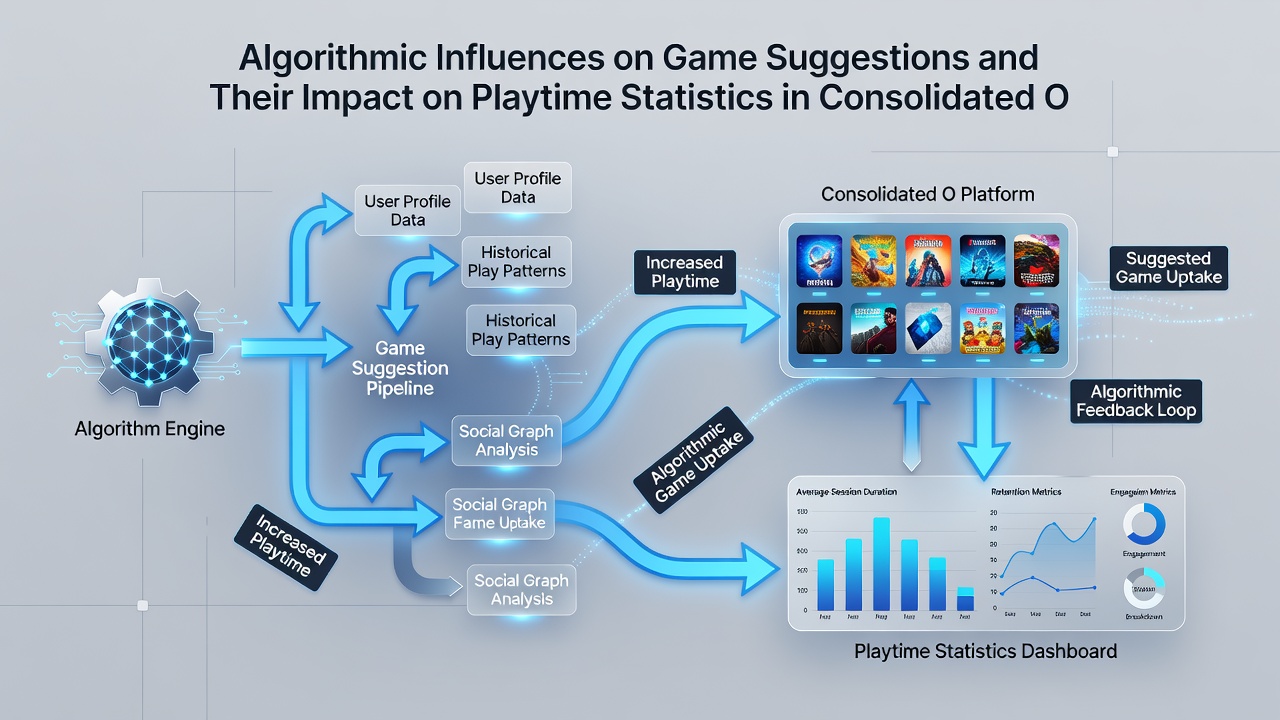
Consolidated online gaming sites rely on recommendation algorithms to suggest titles to players, and these systems draw from extensive datasets that track previous selections, session behaviors, and demographic details. The algorithms process this information in real time to prioritize games that align with observed patterns, which in turn influences how long users remain active on a platform. Research from industry reports indicates that personalization engines can increase average session durations by directing attention toward content with higher retention potential.
Data Inputs Driving Suggestion Engines
Platforms collect variables such as deposit frequency, game category preferences, and time-of-day activity to build player profiles. Machine learning models then apply collaborative filtering techniques that compare individual histories against aggregated trends across millions of accounts. According to findings published by the National Center for Responsible Gaming, these models adjust suggestion weights dynamically when playtime data reveals shifts in engagement levels. Consolidated sites integrate data from multiple providers, allowing cross-game insights that single-operator platforms cannot match. Observers note that updates to these systems occur frequently, often incorporating new variables like device type or connection stability to refine output accuracy.
Observed Effects on Session Length and Total Playtime
Statistical analyses of platform metrics reveal correlations between algorithmic suggestions and extended play sessions. Players who receive tailored recommendations tend to explore additional titles within the same login period, which elevates cumulative playtime figures tracked by site operators. A 2025 study released by the Canadian Institute for Health Information examined data from several major aggregators and found that personalized queues correlated with a measurable rise in repeat visits over multi-week periods. The same research tracked how suggestion timing, such as prompts delivered mid-session, affected continuation rates compared to static homepage displays.
Regional Patterns and Platform Comparisons
European markets show distinct responses to algorithmic interventions compared with North American or Asian regions. Data aggregated by the European Gaming and Betting Association highlights variations in playtime elasticity based on local regulatory frameworks that govern data usage. In July 2026, several platforms began testing region-specific weighting adjustments to comply with updated transparency requirements, and early indicators suggest these changes altered suggestion diversity without reducing overall engagement metrics. Consolidated sites operating across borders must balance uniform algorithmic cores with localized calibration layers to maintain compliance while preserving performance consistency.
Case Examples from Aggregator Networks
One major aggregator implemented a hybrid model combining content-based filtering with reinforcement learning loops that reward suggestions leading to longer sessions. Internal metrics shared in industry briefings showed a shift in average playtime distribution, with a larger share of users exceeding thirty-minute thresholds after the update. Another platform experimented with limiting suggestion repetition to prevent fatigue, and subsequent monitoring indicated steadier retention curves rather than sharp drop-offs after initial recommendations. Researchers tracking these deployments emphasize that outcomes depend on the underlying game library size and the frequency of new title additions, factors that vary significantly between consolidated networks.
Measurement Challenges and Metric Refinements
Quantifying algorithmic impact requires isolating variables from external influences such as promotional campaigns or seasonal events. Platform analysts apply A/B testing frameworks that hold suggestion logic constant across control groups while varying exposure for treatment cohorts. Results from these tests, compiled in reports from the Australian Institute of Family Studies, demonstrate that suggestion relevance scores predict session extensions more reliably than raw popularity rankings alone. Consolidated environments add complexity because cross-provider data flows introduce additional noise that analysts must filter before drawing conclusions about cause and effect.
Conclusion
Algorithmic game suggestions continue to shape measurable aspects of player behavior on consolidated platforms, particularly in the domains of session duration and return frequency. Ongoing refinements to data inputs and model architectures produce incremental shifts in aggregate statistics, while regional regulatory developments prompt adaptive adjustments. Continued monitoring through structured testing and cross-market comparisons supplies the evidence base for understanding these dynamics without relying on isolated anecdotes.